Two of Britain's rarest gold coins
Gold coins from Britain are sought after by collectors around the world, says Chris Carter


You are now subscribed
Your newsletter sign-up was successful
Want to add more newsletters?

Twice daily
MoneyWeek
Get the latest financial news, insights and expert analysis from our award-winning MoneyWeek team, to help you understand what really matters when it comes to your finances.

Four times a week
Look After My Bills
Sign up to our free money-saving newsletter, filled with the latest news and expert advice to help you find the best tips and deals for managing your bills. Start saving today!
The upcoming second wave of collectable British coins to wash over Heritage Auctions in Texas shows how important coins from this country are to collectors around the world and not just in Britain.
An Edward VIII bronze proof 1/2 penny from 1937 was the top lot from Part I of The Cara Collection of Highly Provenanced British Rarities sale in May, selling for $180,000, including the buyer’s premium. In Part II on 6-7 November, it will be the turn of Edward VIII’s great-grandmother, Queen Victoria, to test the depths of collectors’ pockets. A Victoria gold proof “Una and the Lion” £5 cameo from 1839 features one of engraver William Wyon’s most famous designs. A “proof” is a high-quality sample coin created ahead of a coin issue and one that is often intended for collectors and not for general circulation. A “cameo” is a coin that displays a deep contrast between the relief (the design) and the field (background).) Its “near-Choice” grade designation marks it out as an example that is in particularly good (if not mint) condition and the highest bid for it as of the start of the week was $234,000.
Meanwhile, a gold “Ship” ryal coin, worth 15 shillings in or around 1585, when it was made, is another highlight of the sale. On the obverse (“heads”) side, the coin features a stylistic and rather splendid portrait of Elizabeth I, sporting a large ruff and clutching her orb and sceptre aboard a ship, symbolising England’s rise as a naval power. It was also in 1585, during Elizabeth’s reign, that the first colony was established in America – at Roanoke in the modern US state of North Carolina – and that helps to lend the coin a certain appeal in American eyes. But it is also “one of the most… intensely hunted pieces in British numismatics” (coin-collecting), as Heritage puts it, because it is one of the last coins to be struck in the medieval design style, replete with heraldic flourishes – just as the Tudor era was shortly to come to an end.
MoneyWeek
Subscribe to MoneyWeek today and get your first six magazine issues absolutely FREE

Sign up to Money Morning
Don't miss the latest investment and personal finances news, market analysis, plus money-saving tips with our free twice-daily newsletter
Don't miss the latest investment and personal finances news, market analysis, plus money-saving tips with our free twice-daily newsletter
The "Ship" ryal is a curious gold coin
The ryal was always a rather curious coin and one of the many gold denominations in circulation in England at the time. It started life during the reign of Edward IV in the 15th century as an attempt to create a half-sovereign, worth 10 shillings. By the time of Elizabeth’s reign decades later, that figure had increased to 15 shillings. But in any case, the competing noble of six shillings and eight pence had become the standard gold coin and the ryal soon made way for the 10-shilling angel. It is for that reason that only a handful of “Ship” ryals, featuring Elizabeth as Britannia, were struck at the Tower of London, and they remain some of the rarest gold coins from her reign. The present example is expected to fetch up to $150,000.
This article was first published in MoneyWeek's magazine. Enjoy exclusive early access to news, opinion and analysis from our team of financial experts with a MoneyWeek subscription.

-
 Average UK house price reaches £300,000 for first time, Halifax says
While the average house price has topped £300k, regional disparities still remain, Halifax finds.
-
 Barings Emerging Europe trust bounces back from Russia woes
Barings Emerging Europe trust has added the Middle East and Africa to its mandate, delivering a strong recovery, says Max King


-
Barings Emerging Europe trust bounces back from Russia woes
Barings Emerging Europe trust has added the Middle East and Africa to its mandate, delivering a strong recovery, says Max King
-
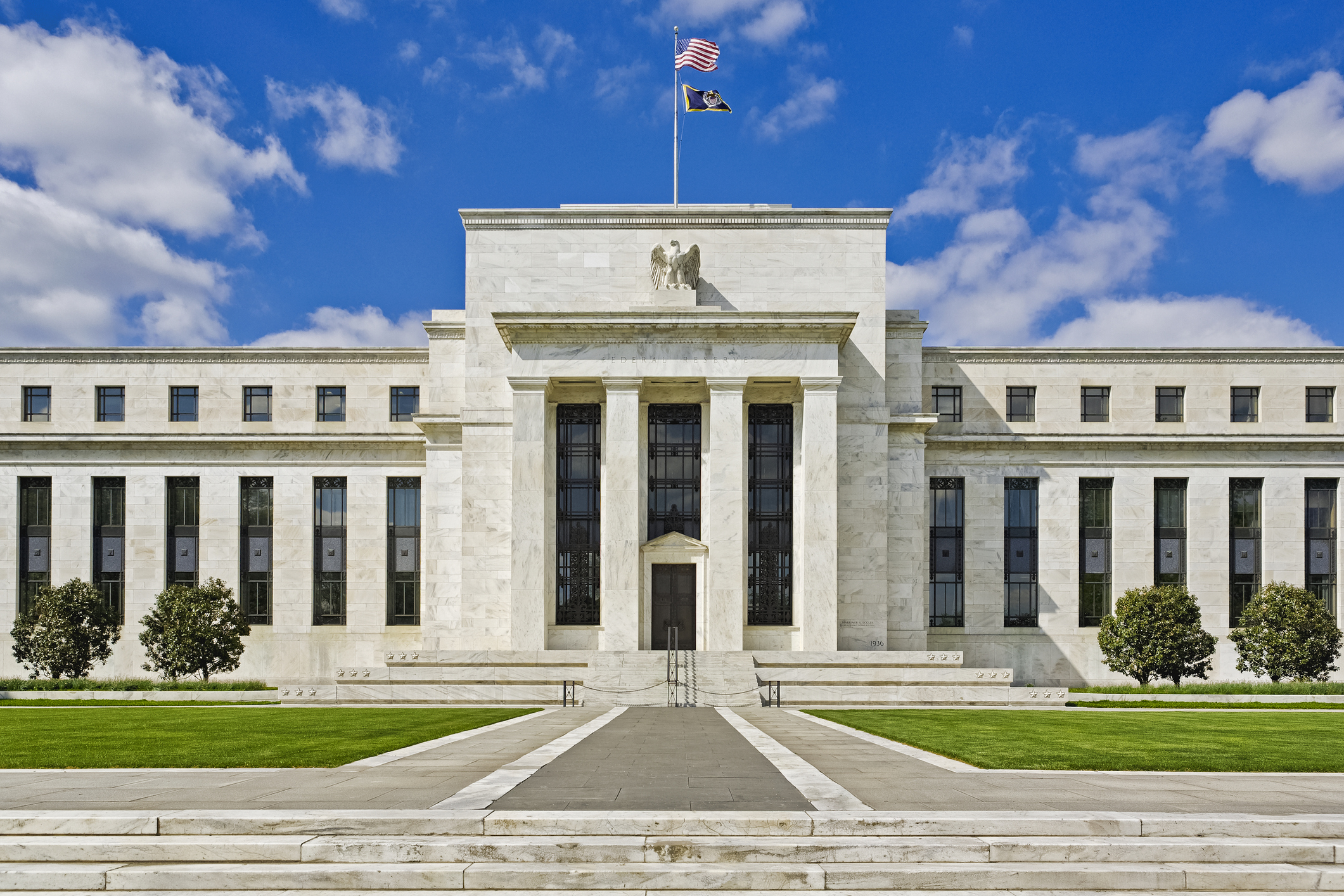 How a dovish Federal Reserve could affect you
Trump’s pick for the US Federal Reserve is not so much of a yes-man as his rival, but interest rates will still come down quickly, says Cris Sholto Heaton
-
 Adventures in Saudi Arabia
Travel The kingdom of Saudi Arabia in the Middle East is rich in undiscovered natural beauty. Get there before everybody else does, says Merryn Somerset Webb
-
 Three companies with deep economic moats to buy now
Opinion An economic moat can underpin a company's future returns. Here, Imran Sattar, portfolio manager at Edinburgh Investment Trust, selects three stocks to buy now
-
 Should you sell your Affirm stock?
Affirm, a buy-now-pay-later lender, is vulnerable to a downturn. Investors are losing their enthusiasm, says Matthew Partridge
-
 Why it might be time to switch your pension strategy
Your pension strategy may need tweaking – with many pension experts now arguing that 75 should be the pivotal age in your retirement planning.
-
 Beeks – building the infrastructure behind global markets
Beeks Financial Cloud has carved out a lucrative global niche in financial plumbing with smart strategies, says Jamie Ward
-
 Saba Capital: the hedge fund doing wonders for shareholder democracy
Activist hedge fund Saba Capital isn’t popular, but it has ignited a new age of shareholder engagement, says Rupert Hargreaves


