
-
 British small caps: an unloved sector awash with value
Opinion Three British small-cap stocks, as picked by professional investors Indriatti van Hien and Cassie Herlihy of the Henderson Smaller Companies investment trust
Opinion -
 Software Circle: why dull firms can be appealing
Software Circle buys companies that do boring but necessary things. It is well placed to thrive, says Jamie Ward
-
 SpaceX confirms IPO pricing: Everything you need to know about the stratospheric listing
One of the year’s most talked-about IPOs could be just days away. How much could SpaceX be worth at its IPO, and what does it mean for investors?
-
 How to profit from higher oil prices
As the conflict in the Middle East continues, we explore the investments which could protect your portfolio from the impact of higher oil prices.
-
 Small defence stocks: The backbone of the sector
Small defence stocks are reaping the benefits of increased military spending. There's an opportunity for investors willing to put in some legwork
-
 Share tips 2026: this week’s top stock picks
Share tips Share tips 2026: MoneyWeek’s roundup of the top stock picks this week – here’s what the experts think you should buy.
Share tips -
 Anthropic kicks off its IPO process
Claude creator Anthropic is the latest tech megacap to pursue a listing just days after a raise set its value at $965 billion.
-
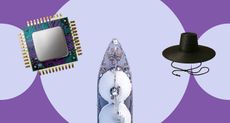 Smaller companies: the secret of South Korea’s success
Sponsor Content Created With Aberdeen
-
 Should you buy Alphabet shares following $80 billion capital raise?
The Google parent company’s stock fell following the raise, but experts think it’s necessary for Alphabet to capitalise on the AI opportunity.


