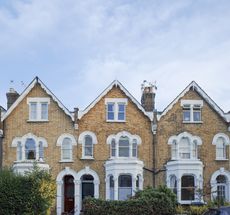
Don't believe this dangerous myth about house prices

By Bengt Saelensminde May 23, 2011

Bengt Saelensminde

Share with
friends:

Comments (54) Print this article

Today I want to debunk the myth that our 'little island' can sustain higher house prices just because land is in limited supply.

In fact, I want to show you why land prices fall even harder and faster than house prices in a downturn – and why you need to be very wary about investing in one particularly exposed sector right now.

Whenever I write about either the housing market or land, it draws a lot of, let's say, passionate comment from readers. It's a sensitive subject – especially if I'm downbeat on the subject! But that's not going to stop me – so feel free to let me know your thoughts on this critical subject.

The most alarming myth about property prices

The fact is, a building plot on this green and pleasant land could be a terrible investment, as I'll show you in a second. And given that the house-building sector sits on an awful lot of land, it's no surprise that shares in that sector can get smashed if the housing market turns down.

Most people I talk to seem agreed. Today, house prices have a lot more downside risk than upside potential – people see that there's an accident waiting to happen.

House prices are (at best) muddling along, despite the fact that rates are pegged to the floor. That should sound alarm bells, because rising interest rates will surely kick off a slide in house prices at some point.

So what are most homeowners doing? Well, for most people, absolutely nothing. And rightly so. A house is for living in - and anyway, the transaction costs and hassle of trying to take advantage of a downturn is more than most families can cope with.

But here's what I find most alarming about the consensus opinion on house prices amongst British people.

While many think that prices may suffer in the short-term, most people are still convinced that this will be temporary. "We're living on a small island don't you know?"  The backbone of their argument is that a strictly limited supply of land coupled with considerable planning restrictions will put a floor under property prices.

The result of that is that many people think that a building plot could be a great investment. And worryingly, many investors in the house builders haven't got a clue how brutally the builders' main asset (the land bank) can get smashed.


Report FREE report: Two ways to turn Europe's crisis into an opportunity

  • Reveals the true level and extent of the European financial crisis and what this means for your money.

  • Details actions Bengt recommends to protect your wealth and profit from the impending gloom.


Building plots can fall twice as quickly as house prices

The important point here is that a piece of greenfield or brownfield land is a highly-leveraged investment. And I'm not talking about any sort of financial leverage here. It's got nothing to do with mortgages and financial gearing of property stocks – which incidentally, leverage up the risk even more.

Let me explain 'land leverage' with an example:

Let's say it costs £200,000 to build your dream home (including the developer's profit margin). And let's say the house is worth £400,000 on completion.

That means the plot is worth £200,000.

But let's say that one year from now prices have fallen 10%, or £40,000 for the house in question. Now the house is only worth £360,000 (£400,000 - £40,000 = £360,000). What would a similar plot cost then?

Well, if the finished house is worth £360,000 and it costs £200,000 to build, then you'd only want to pay £160,000 for the plot. That's still down £40,000 – but in percentage terms, it's a fall of not 10%, but 20%!

In this case, the plot has fallen by twice as much as house prices in general. You can see the dangerous effect of leverage at work.

So as prices turn down and the market values of plots fall, the house builders have to write down the value of their land bank. When you factor in the house builders' financial leverage on top of land leverage, house builders' profits can quickly turn to massive losses.

It's little wonder the house building sector took a hammering during the 2008 credit crunch. Several had to come to the market for new capital. And a fund-raising during straitened times can be disastrous for the share price.

For instance, Barratt's went from above £8 to become a penny stock. Persimmon collapsed from £14 to £2.

Barratt Developments share price (last five years)

Barratt developmenst share price

Persimmon share price (last five years)

Barratt developmenst share price

House prices are wildly misunderstood

The house price phenomenon in the UK is wildly misunderstood. For starters, many don't appreciate that prices have much more to do with supply and demand of credit (mortgage) than supply and demand of houses, or building land.

And the innate leverage on building land certainly isn't well understood. That's why you need to be very careful about the house building sector.

If rates do get squeezed up and house prices get squeezed down, then expect to see some significant write-downs in the sector as land banks get reappraised. That could be devastating for house-building stocks.

And if you're considering buying a building plot, I think it's probably worth sitting on your hands for a little bit longer. That's the way I see it. Let me know your thoughts.

• This article was first published in the free investment email The Right side. Sign up to The Right Side here.

Important Information
Your capital is at risk when you invest in shares - you can lose some or all of your money, so never risk more than you can afford to lose. Always seek personal advice if you are unsure about the suitability of any investment. Past performance and forecasts are not reliable indicators of future results. Commissions, fees and other charges can reduce returns from investments. Profits from share dealing are a form of income and subject to taxation. Tax treatment depends on individual circumstances and may be subject to change in the future. Please note that there will be no follow up to recommendations in The Right Side.

Managing Editor: Frank Hemsley. The Right Side is issued by MoneyWeek Ltd.

MoneyWeek Ltd is authorised and regulated by the Financial Services Authority. FSA No 509798. http://www.fsa.gov.uk/register/home.do

Comments (54)

Share with
friends:

Comments

  • 1. Michael

    (23 May 2011, 04:12PM)  Complain about this comment

    ' markets can remain irrational far longer than you or I can remain solvent.'

    The vested interests need to maintain the illusion of high prices otherwise they are all insolvent. Banks, property companies and private individuals are all living in this fantasy world.

    It will all end up like Japan

  • 2. Realist

    (23 May 2011, 04:13PM)  Complain about this comment

    Why is everybody at Money Week always (since I can remember) predicting house price Armageddon?

    Simple fact is that if you factor in a notional rent of say 5% (tax free) then investment in housing has produced positive returns over just about any 10 year period and most 5 year periods.

    The samw is not true for most other investments!

  • 3. Peter Kellow

    (23 May 2011, 04:22PM)  Complain about this comment

    "prices have much more to do with supply and demand of credit (mortgage) than supply and demand of houses, or building land"

    That is a polite way of saying the ballooning of house prices over the last thirty years was a giant Ponzi scheme. The public were fooled into getting themselves into debt for no reason except to balloon the amount of interest the banks were able to collect

    Those who got in early (often the older generation) like all early entrants to a Ponzi scheme sometimes saw amazing profits.

    As in all Ponzi scams when the top of the pyramid is reached there will be a resistance to admitting the truth so the market has this horrible extended dreamlike moment before the roller coaster plunges

  • 4. TonyE

    (23 May 2011, 04:23PM)  Complain about this comment

    Although I understand this articles points, I think it's too over simplified, and no one can truly predict how it will go. But one thing to remember is this... Before the crisis interest rates were higher, house prices were higher and everyone was happy!.. What's changed is easy credit... Higher rates from the BOE don't matter, they were higher before and they can be higher now! But the availability of low down payment mortgages and very easy credit is what's truly changed... Don't be fooled!.. I lived in the USA for 30 years and the housing market dynamics there are nothing like in the UK... Point is this.. NOBODY KNOWS! So don't be too quick to believe all you read.

  • 5. TonyE

    (23 May 2011, 04:25PM)  Complain about this comment

    Although I understand this articles points, I think it's too over simplified, and no one can truly predict how it will go. But one thing to remember is this... Before the crisis interest rates were higher, house prices were higher and everyone was happy!.. What's changed is easy credit... Higher rates from the BOE don't matter, they were higher before and they can be higher now! But the availability of low down payment mortgages and very easy credit is what's truly changed... Don't be fooled!.. I lived in the USA for 30 years and the housing market dynamics there are nothing like in the UK... Point is this.. NOBODY KNOWS! So don't be too quick to believe all you read.

  • 6. Matt

    (23 May 2011, 04:27PM)  Complain about this comment

    I'll bet in 2006-07 in Ireland, people there were saying there's no way prices can fall, they're not making any more land, the government won't let prices drop, can't go wrong with property etc. etc. (choose any tired old cliche you like) - you've been warned!

  • 7. Christain

    (23 May 2011, 04:41PM)  Complain about this comment

    So you'd apply this same advice throughout the UK would you? This would be your advice to those in prime central London?

  • 8. bob the builder

    (23 May 2011, 06:01PM)  Complain about this comment

    Well I agree,
    I have stopped building houses the last 18 months waiting for plot prices to drop.. as property prices have about 30%
    if I pay the asking price for a plot now I would just about break even when I built and sold the property.when will greedy land owners see sense.

  • 9. Karl

    (23 May 2011, 07:49PM)  Complain about this comment

    I cannot agree with your view that prices have much more to do with supply and demand of credit than that of houses, or building land. The reality is, prices have gone rock bottom, houses for sale are still aplenty and mortgages are there at pre 90's 65-75%. The norm has been restored where people can get a home even with an interest rate hike. A sudden UK sales increase may panic the prospective buyers into action and entice British landowners to sell. The land is always there, its what the owner can gain from the EU and other government subsidies that holds the key. If one area reaches prosperity and the truth about land ownership emerges, then we may see a bottom line. The doom merchants urge us to conserve after several huge disasters in the economic situation but, I intend to invest in my 5 year dreamed of property, in Donegal, especially in light of Enda Kenny's undisguised plea for American investment to reduce the republic's debt.

  • 10. Karl

    (23 May 2011, 08:01PM)  Complain about this comment

    There is plenty of land, only landowners holding out for EU subsidies. Many people are willing to buy but put off until markets reach a reasonable stability. Don't they see that that this has been reached by bottoming prices, increased availability and profits through the likes of BDEV. Stop the doom merchants who continue to talk bearish and we might survive, even storm out of stagnancy like Ireland will, now due to an inspirational speech by Enda Kenny and a feelgood factor from the Queen's exceptional standing.

  • 11. Donnie

    (23 May 2011, 09:01PM)  Complain about this comment

    Everything reverts to the mean eventually which means the average home will be 2.5 - 3 times the average wage. Probably nearer 2.5 times at the bottom as corrections tend to overshoot the mean. We have a long way to go.

  • 12. MARTIN

    (23 May 2011, 10:51PM)  Complain about this comment

    This article is stating the obvious. Land values are calculated by reference to residual values - ie what is left after the construction, town planning, legal compliance and infrastructure costs, borrowing costs on the project pending disposal and developers profit. Construction costs are static (they may rise as inflation hits raw material costs such as steel: they may fall a little if the cost of labour falls but that is unlikely). When the Bank of England starts acting like an economist and not a politician, interest rates will rise - they are far too low at present. When that happens the cost to both developers and purchasers will rise dramatically. The knock on effect on land values must be catastrophic in the medium term unless the construction and purchase are being funded by cash ( eg high value properties in London). What si amazing is that the market is still holding up - but there are still too many ostriches who own property and/or fund it

  • 13. Robert Mandeville

    (24 May 2011, 01:26AM)  Complain about this comment

    Firstly, another negative gearing effect is in the effect of an increase in cost of living excluding housing, if no increase in wages. If this cost is 2/3 of after tax income an increase of 10% will reduce the remainder available for housing by 20%. Secondly, basically the underlying value of a house is a function of its utility, i.e. rent. Renting is not such an emotive subject as buying so a function of rent and expected yield more accurately reflects capitalvalue. Thus a rent of £10k per annum would suggest a capital value of £200k on the basis of 5% yield. A good way to check if house prices are too high. Thirdly, house prices must be being held up by baby boomer provision of deposits. This boomer capital will soon have to be spent on care homes.

  • 14. Paul

    (24 May 2011, 08:07AM)  Complain about this comment

    House prices are not as simple as you imply. For most other commodities there is a market - a buyer and a seller agree a price. Not so with houses, there are plenty of potential sellers, but few buyers. Little is being being exchanged, so 'value' is a meaningless term. Housing market - an oxymoron.
    But wait for unemployment and interest rates to drift upwards. Then we may have some forced sellers who will discover what the 'value' really is, and banks which will discover the true value of the mortgages they hold.
    The government is desperate for at least a little growth before this day of reckoning, so obviously is trying to delay the evil day for as long as possible.

  • 15. IPIN Live

    (24 May 2011, 10:03AM)  Complain about this comment

    I think you are perhaps underestimating your readers perception of how house and land prices work - few really believe the "Island theory" - if they did, house and land prices would be far higher than they are, and banks would not have had the troubles they have had with lending.

    The reality is that it is lending and the availability of it controlling prices at present - the lack of regulation and restrictions on LTV levels is what controls house prices and affordability.

  • 16. B.Bunter

    (24 May 2011, 03:52PM)  Complain about this comment

    Recently moved into a new flat (small new-build block of 12), 9 have sold since christmas only 3 to go.
    - After a 20% drop already, are we all in for a shock or a case of good timing ?

  • 17. EKTOP

    (24 May 2011, 04:09PM)  Complain about this comment

    A true picture of the British house prices bubble.

  • 18. dev

    (24 May 2011, 05:01PM)  Complain about this comment

    I have never really understood the 'island" argument, even if it were not an island, you just can't expand your housing into a neighboring country, no matter how friendly they seem. Land is just limited on the mainland, as on the island.

  • 19. Margaret

    (24 May 2011, 05:01PM)  Complain about this comment

    Who controls the affordability of the house? The simple answer is the banks. They contol the loans market, it's always been that way and it always will be. But now we have the extra players, the government for relaxing the laws and the greedy wall street.
    However, people need to live somewhere, have shelter over the roof, so supply and demand comes into play too.
    However, I am sure I read somewhere that 90% of most wealthiest people in the world today became so through property. Not just the baby boomers but generations.
    And I do agree with some comments that each asset class can become overvalued and undervalued. Now if we could all pick the bottoms to buy and tops to sell we would all have a crystal ball and make fortunes, so who's to predict anything?
    My philosophy was always to see what was undervalued and continue to buy if I could afford it. I would never mock the realestate assest class as what else can you compare it to? Paper money and fiat currencies at present?


  • 20. Aidan

    (24 May 2011, 05:07PM)  Complain about this comment

    I agree with the writers comments. But are the wealthy, those with a 65% deposit for example plentiful enough to support the prices. I am curious house prices havent fallen much more. In london [excluding Prime where prices have risen] other areas are pretty stable to positive. Do we have to await interest rate rises, and the larger spread on rates to drop prices, or will banks be able to reduce interest rate spreads increasing mortgage affordability? Inflation is surely the only get out jail card..with consequences to those with current wealth.

  • 21. Chris

    (24 May 2011, 05:35PM)  Complain about this comment

    To "Realist",

    How many of those 5 and 10 year periods that you harp on about, featured devastating economic crashes akin to 2007-08, that were caused overpriced housing?

    It's ok, don't reply, we already know the answer.....

  • 22. The Buy2Let King

    (24 May 2011, 06:19PM)  Complain about this comment

    Money week has been calling a UK HPC for a decade. Like a broken cl0ck they will been right occasionally (e.g. 2008/2009). The crash is over folks.

    Perhaps price growth might go negative in the recession of 2020...until then listening to this lot will mean missing an opportunity - B2L.

  • 23. JAW

    (24 May 2011, 06:32PM)  Complain about this comment

    You can't buck the market... house prices are exactly what they as the resultant of all the market forces presently applying upon them. There is enough capital and credit out there to keep UK house prices relatively stagnant, or just slowly declining. There will be no collapse until the number of forced sellers dramatically increases. We can only guess when that will happen? 2012?

    Unlike some house sellers, land banks and individual plot sellers are not usually forced to sell. They can wait at least 5 years, when the permission expires, and drive a hard bargain.

    With the UK net population increasing about 250,000 per annum there is currently, and will be in the foreseeable future, a shortage of houses. We are probably living in 3 to 4 year period of slowly falling land/house prices, but crude supply and demand factors will actively surface eventually. House prices are therefore likely to rise again after 2014-15.

  • 24. JAW

    (24 May 2011, 06:35PM)  Complain about this comment

    Developer land banks include options on potential buildable land in a circle around most towns, which gives them the option of playing a waiting game, but because their land banks never appear on the open market, they do not particularly affect or depress plot prices. Even if a big building firm goes bust their land bank will be bought up by a competitor and held off the open market. The plots actually offered for sale are only a fraction of the permissions granted. That affects prices, keeping them artificially high.

    There is a large difference in land price for developers and ordinary members of the public. The big builders only pay about £35 to £40K per plot, but estate agent prices are £60K min to £150K for a 4 bed detached plot, even higher in the SE. In 2007 plot prices fell by 30 - 35% but since then have staged a surprising recovery. They are probably due a correction. Bengt is correct, wait for prices to fall before buying your plot.

  • 25. Roberto Birquet

    (24 May 2011, 06:54PM)  Complain about this comment

    prices have much more to do with supply and demand of credit (mortgage) than supply and demand of houses.
    ------
    Yes, true in as much as almost everyone I talk to misunderstands the words, supply and demand.

    Anyone who went to the first two weeks of classes in A-level economics would have learned that demand is NOT: how many people want a house (or any other product/service).

    Demand is a map of volume sales and prices. How many £150K houses in a given area will be bought by house-buyers? How many £200K houses in a given area? And so on. That is determined by: what people are willing to pay (let's simply say everyone is willing to pay £10 million for a two bed flat); and what people are able to pay (ie, the size of their deposit added to size of mortgage).

    Therefore the demand for houses is determined by the supply of credit. Credit availability rose 2001-7, and demand and prices rose; since then credit availability has fallen and prices, too. Simples!

  • 26. LERENARD

    (24 May 2011, 07:48PM)  Complain about this comment

    Interesting way of looking at the housing market. House prices have risen and will continue to rise in the long term because of fundamentals. This island is densely populated and the need for housing is ever increasing. But short term investors need to be careful in their timing. The rules are fairly simple. Do not buy an expensive asset at the top of the market, and do not overextend yourself. Unfortunately these mistakes are being made time and time again and this will not change.

  • 27. Paul

    (24 May 2011, 07:53PM)  Complain about this comment

    #22 "missing an opportunity - B2L." I think the worst possible decision you could make would be buying a BTL property now. What signs of improvement are on the horizon for property?. The gross yields you achieve buy buying now will be nothing compared to the capital loss you will incur within 12-18 months.

    Housing is clearly overpriced, as the lack of transactions are telling you. Its a case of affordability and credit, both of which are scarce at present. Like all markets, it will return to its mean/average at some point.

    And also, when interest rates go up, which they will, as inflation is wildly out of control, you will be sitting on a BTL property, that potentially will have fallen 10-20%, (the rate its going), higher BTL interest rates, and as affordabilty returns, no tenants, LOL.

  • 28. The Buy2Let King

    (24 May 2011, 08:17PM)  Complain about this comment

    #27

    An example:

    3-bed terrace in Gateshead. Purchased for £80,000 (2009). Rent=£250x4(tenants) pm = £12,000 pa. Gross yield = 15%

    This is what can be achieved if you buy well.

  • 29. Ana

    (24 May 2011, 08:41PM)  Complain about this comment

    some simple facts:
    1. 15 years boom followed by worst recession in the last 90 years, no crystal ball to see the future.
    2. Lowest interest rates, what's next? depends on the economy.
    3. Economy, it hasnt been a year since the QE2.
    4. Cash buyers, plenty? Isn't it wierd that those people haven't made it to the B2L market already? Perhaps no, but the total lending is not going negative, so no many cash buyers around. Estage agencies say people sell stocks and other assets, from the rightmove you can estimate how many billions are required to sell the properties in sw1,sw3,sw7,w8 and w2. If the money come from the stock market we may see a collapse somewhere else. Anyway, another myth.

  • 30. chris

    (24 May 2011, 11:48PM)  Complain about this comment

    Yet again a money week bigwig fails to look at the property market at the sector and regional level. There is widespread variation, however there are a good and bad assets within that. I think such a broadbrush approach is plain stupid. Property prices are sold by individuals and the prices are certainly not as efficient as stock prices...there are properties which make sense and there are properties which nobody should touch with a bargepole. Money week need to focus on a much better strategic outlook of proeprty...constant doom mongering and a broad brush doesn't provide such a useful analysis

  • 31. Robin

    (25 May 2011, 01:51AM)  Complain about this comment

    Excellent article!

    Explains why even in the best years, builders have not been building the full quota of housing planned by the authorities.

    In a normal Market supply would increase to atch any demand. Not here. I think builders rightly fear huge loses.

    Shouldnt we be talking about a state run land bank? The builders can get back to doing what they do, building houses and not speculating on land prices.

    Buy2letking - this country is turning into one big hostel. I've lived in those places you describe; where one room has been converted into a one bed studio, complete with broomcubboard shower and kitchenette. No thanks. A decent house can be built for 50k in materials. This bubble will pop eventually, or we will all be the poorer for it.

  • 32. Historian

    (25 May 2011, 06:44AM)  Complain about this comment

    Love the comment from the Buy to Let King about his Gateshead property. Excellent. Yields also important. Beware government controls on rent etc if the economy gets really bad (a la 1930s)
    I remember in Japan they said big population-small island, they're not making any more land, and even offered 50 year mortgages before their slump started.
    Demographics have a large part to play in addition to credit availability. Aging demographics in many western societies will play havov with government finances trying to pay for increased health costs and pensions with less taxpeyers.
    Cheers

  • 33. Ralph

    (25 May 2011, 07:02AM)  Complain about this comment

    Britain is an Island

    Linking this to permanent house price increases is a compositional fallacy that is historically driven.

    In the olden days countries were better able to expand their borders by military action - Island nations could not they had to conquer and colonise but the mother country always commanded higher prices.

    Similarly the phrase safe has houses was coined in the 19th century when investors were stung in the Railway bubble. There were less 100 year old properties then.

  • 34. Mike

    (25 May 2011, 11:07AM)  Complain about this comment

    15% gross yield is under 5% net, after taxes, maintenance, expenses, voids, delinquent tenants, mortgage fees, legal fees, agency fees etc etc etc etc. Property is an expensive proposition, quoting gross yields is useless.
    I get the feeling BTL King, doesn't pay taxes, and doesn't maintain the properties...
    A good share in an ISA/SIPP will give me dividend yields of 5%++ and capital growth, tax free without the headaches

  • 35. juanito

    (25 May 2011, 11:44AM)  Complain about this comment

    In the short term property prices will fluctuate with interest rates and inflation, and currently we have the lethal cocktail of relatively high inflation with low interest rates, which have resulted in a property price spike. Bengt-saelensminde is right; interest rates are likely to rise and house prices to fall – in the short term.
    However, in the long term house prices and incomes will continue to rise and fluctuate around their long term ratio of around 3.7, though regional variations in both incomes and prices will continue to be significant; a house in Surrey bought for £6,000 in 1963 is now likely to be worth about £600,000, whilst the value of houses in the now depressed areas of the North are unlikely to have increased anything like this.
    Buying a property is a decision for the long term, and although prices may fall in the short term, the important thing is to acquire a home to live in and accept the short term fluctuations in value.

  • 36. The Buy2Let King

    (25 May 2011, 01:13PM)  Complain about this comment

    #34 Your response is confused. Personal taxation is a separate issue. Positive cash flow still equals profit even if the state steals 40%. Would you turn down a 15% pay rise at work because of 40% would go in tax? Of course not!

    Also 10% is way of the mark for overheads. £8k a year? More like £1,000. Voids and non payment are rare due to tenant demand (cheers for the immigration and LHA Labour!) and the contracts I use for my house share rentals (the others have to pay the missing rent and non-payers are very quickly removed and replaced)

  • 37. Sliced Alone

    (25 May 2011, 04:07PM)  Complain about this comment

    Couldn't agree more Bengt. The overriding factor is affordability and that (for the vast majority) means mortgages which in turn are at the eventual mercy of IRs.

    No amount of 'little island ' mentality will change this. People will move back with mum+dad/friends/house share or carry on renting, there will always be alternatives debt servitude given a choice, if people can't afford a house, they won't by one, end of story.

  • 38. Karim

    (27 May 2011, 01:36AM)  Complain about this comment

    Yes, the short term (cyclical) demand for housing is dependent on supply of credit. But the long term demand for housing is dependent on demographics. There is a lack of supply of housing. Fact. And it ain't going away because we aren't building enough houses for all those Eastern Europeans moving here, among others.

    House purchases are currently depressed due to lack of credit and lack of confidence, but in the long term these will go and the upward pressure on prices will resume. Sure, we may get some correction in the short term. I really hope so, because I will then be a buyer. I'm quite happy to put my money where my mouth is on this one! (Already have, in fact)

    K.

  • 39. Lost Out FTB

    (27 May 2011, 02:25PM)  Complain about this comment

    Never in the field of property comments has so much be said that everyone misses a point.
    A product is only worth what someone is prepared to pay for it if they can afford it.
    So lets say you earn the minimum wage of £12’500 a year before living expenses x 2 £25’000 a year x 3.5 earnings gives you buying power of £87’500.
    Now Labour & Conservatives have raped pensions and buy to let property will be next.
    So as more jobs go on to minimum wage the less they can afford to buy. I’m 25 uni graduate owing £18’000 student loans unemployed, living at home like many of my friends.
    The next census results will blow all bull theories wide open and show Money week is and has been right and shock the pundits of the what has been sown and prove what you sow reap and politicians have sown a crisis for 30 years since Thatcher started it with the so called Free Market economy. Nothing in life or economics is free for long with out a high price - the UK's price is slow dying economy.

  • 40. Paul

    (28 May 2011, 10:38AM)  Complain about this comment

    The Gloom and doom view does not seem to apply to London and the SE. As soon as the prices start to come down the Russians and Chinese step in, they keep a floor under the market. They are looking for somewhere to park their savings. Buy to Let is still king in central London. The key is to buy the tiniest place in the best area.

  • 41. Paul

    (28 May 2011, 10:38AM)  Complain about this comment

    The Gloom and doom view does not seem to apply to London and the SE. As soon as the prices start to come down the Russians and Chinese step in, they keep a floor under the market. They are looking for somewhere to park their savings. Buy to Let is still king in central London. The key is to buy the tiniest place in the best area.

  • 42. Spizer

    (28 May 2011, 12:33PM)  Complain about this comment

    Hi, please think out of the box.Q1:Do you know who owns the Fed? clue not US Gvmt).Q2: why was there no inflation or ballooning house prices for 1000's yrs before the Rothschilds? Through THEIR control of the 'saviour' IMF they want to lend and lend and lend - poor Greece tax payers, etc. God help our state finances (and our taxes!) when interest rates eventually rise from 0.5% to the 5% norm!! Of the 50 US states, only North Dakota has an independent central bank who's in surplus - is this a coincidence or what? Read Ellen Brown's article, Libya all about oil, or central banking?, I guess that now just leaves the Rothschilds/ illuminati continuing their ‘axis of evil’ media owned campaign against the only central banks they don’t control (Sudan, Iran, Cuba, N.Korea). Iraq, Afghan ticked off recently. Read Bankers: The Only Profession That Drove Jesus to Violence.“God has forbidden you to take usury..You will neither inflict nor suffer any inequity.”

  • 43. Spizer

    (28 May 2011, 12:35PM)  Complain about this comment

    I think how it should work in Ellen Brown's web of debt ‘stuck on a treasure island’ model, that a State should issue its own notes and coins as legal tender (not gold as the Rothschild private bankers control this and also will use derivatives to destroy that nation’s currency and create unstable prices). I would only change the fact that because interest is/should-be banned, it is replaced with the fact that the State Bank takes a profit share of when it lends to businesses and individuals (i.e. a joint venture risk-reward partnership, this will also reduce the need for an insurance industry that adds no value to the economy). All the profit the State then makes get re-circulated back for the State’s infrastructure and advancement = a debt free growing country forever as the founding fathers of America dreamed of. The only 3 presidents ever to want the Feb back in the US Government's hands were assassinated - is this just a correlation or what?

  • 44. Spizer

    (28 May 2011, 12:38PM)  Complain about this comment

    Sorry if this article hurts, but through their controlled media THEY want every individual to be up to their eyeballs in debt from birth to death (student loans anyone?), THEY want women to work full time and be childless (why can't we survive with one breadwinner anymore?), THEY have promoted and financed wars (Napoleonic, US war of independence, WW1, WW2), THEY want divisions, suffering, arms purchases, government debts and taxes, THEY want their interest payments (via increasing gvmt taxes/debts too) - basically we are slaves to the private bankers and no one can touch them even though 99.9% of the voters can't stand them and want them executed. Try telling your MP we need to return to independent banking and see what he says. Strongly recommended you google house of rothschild no one can understand what has happened to the planet without reading this. Let's all wish for a world without THEM

  • 45. Andy

    (28 May 2011, 05:25PM)  Complain about this comment

    While availability of land and credit are important, no one mentions demographics or lifestyle changes.

    Demographic changes - an ageing population, family fragmentation being perhaps the best known - have increased demand for housing.

    But we work longer and harder. Woman are more likely to work, and earn more than in previous generations. This has expanded families' ability to pay for housing, making it inappropriate to compare house prices in terms of (single) income multiples, as though it is still 1971.

    But we are now reaching the limits of our ability to buy houses, and this is shown in declining values. Renting is on the increase. Will we see new attitudes to buying and renting houses become the norm?

    Unlikely. Veteran pollster, Bob Worcester, points out public opinions are like the waves on the ocean. Values are like tides, which ebb and flow over much longer timeframe. An Englishman's home is likely to remain his castle - just a more expensive castle.

  • 46. mr grumpy

    (29 May 2011, 01:29PM)  Complain about this comment

    Please. Lets get real. That idiot governor of the BoE should have raised interest rates several times by now and those who have overstretched themselves through greed or stupidity will have had to sell their homes and we can all get back to some sensible property values - ones that perhaps some first time buyers can afford. Why on earth do so many people think that high house prices are a good thing. They are not. They reduce investment in the real economy and make it impossible for people to own their own home.

  • 47. Shuey

    (29 May 2011, 01:59PM)  Complain about this comment

    Interesting article. Whilst speculative in nature , it assumes 1 major key point when purchasing UK property in ANY market.- that you are buying AT market value. Any professional property investor knows too well, you always buy at BELOW RICS value, acquiring IMMEDIATELY instant equity and generating great cash flow.
    The FACTs are that I am doing exceptionally well from UK property CURRENTLY and this article is GREAT as it means more DEALS for me! ;) Thanks!

  • 48. Postman Pat

    (30 May 2011, 01:11PM)  Complain about this comment

    I cannot understand quite how house prices have not tumbled again unless held up by stupidly low interest rates that cannot be maintained. People are losing jobs and income is not rising in real terms. Taxes have had to increase and this can only get worse. If people are still borrowing silly amounts of money at very low prices, it proves we have learnt nothing and the result, when higher interest rates come along, has to be more repossessions and surely another price fall for houses. I agree with #39 mostly but would not blame Thatcher. I would blame Blair and Brown though for lulling the recent generation into believing that something for nothing is their entitlement. People will get badly burnt again but they can't say they have not been warned.

  • 49. ian

    (01 June 2011, 08:41AM)  Complain about this comment

    I'm genuinely amused by 47. Shuey. Using a notional 'below RICS' value as a benchmark is either plain daft or nieve. E.G. 6 bed detached near me £210K two months ago. Now, £197K. Nothing unusual about the property but the price drop is indicative of a dose of realism creeping into the market and the variable nature of RICS valuations.

  • 50. Paul

    (01 June 2011, 05:16PM)  Complain about this comment

    The only reason why house prices have not crashed yet is because Estate Agents have not admitted reality. Apart from the fact that few appear to fully understand the bubble has not yet burst, they never had a true grasp on economics. The only estate agents who have closed down are the ones owned by banks, people should ask themselves why.

    The country is littered with House for Sale sign's where people refuse to to budge in the naive belief that "things are bound to pick up sometime" The world economy is facing meltdown courtesy of a corrupt international banking system. To make things worse the UK, unlike Germany & Holland is struggling to increase its manufacturing base & without manufacturing we can not balance our books.

    People have to change their attitude. A house is for living in & no longer an easy way to ensure a comfortable retirement.

  • 51. Roger G Lewis

    (02 June 2011, 07:34PM)  Complain about this comment

    On Balance I applaud your article although it is as some people have said a little more complicated mainly due to a misconception as to how banks fund the mortgages that are being so strictly rationed today.

    This article reagrding the American Experience of sub prime is informative.
    http://www.guardian.co.uk/commentisfree/cifamerica/2011/may/27/economics-useconomy

    http://letthemconfectsweeterlies.blogspot.com/2011/06/call-to-action-on-repossesions-law-of.html

    http://letthemconfectsweeterlies.blogspot.com/2011/06/spivs-are-going-to-steal-your-house.html

    http://letthemconfectsweeterlies.blogspot.com/2011/06/call-to-action-on-repossesions-law-of.html

    Fractional Reserve banking changes the dynamic of the Banks perspective on the process more than most people appreciate.

  • 52. Roger G Lewis

    (02 June 2011, 07:37PM)  Complain about this comment

    Long Post here's a summary of the links in my last comment if the moderators are amenable.

    This is a theme to be developed regarding Price and Value and the Trading of Mortgage Securities and distressed asset sales as opposed to the more egalitarian course of action which would be to Create some sort of Amnesty on Mortgages ( Principal residence only and even up to a Minimum price say £250k in UK figure could be arrived at by discussion.

  • 53. Roger G Lewis

    (02 June 2011, 07:41PM)  Complain about this comment

    what the Borrowers largely believe is that their Mortgage is matched by and equal deposit/ saving of another bank customer. At best the banks have 1 tenth of this covered 10% and in many cases it is more like 1 fortieth 1/40 2.5% so on a mortgage of £100,000
    the bank only has capital of at most £10k at risk and in all likely hood more probably £4k at risk. Therefore in distressed sales all on going mortgage payments made should be viewed accordingly and and distressed asset sale again viewed similarly.
    I,e a mortgage holder with 25k negative equity on a mortgage of 100k still has an asset worth at least 7.5 x the capital reserve the bank allocated against making that loan. I.E the borrower remains in debt for 100k a new debt of 75k is created and and the bank gets all its basic capital back has had the interest in the meantime and will still milk the original borrower through the Bankruptcy process for a further 2 years representing further pure profit.

  • 54. Steve Walker

    (09 July 2011, 04:58PM)  Complain about this comment

    Everyone has to live somewhere and so, given the relentless population increase in the UK and the fact that house building isn't keeping up with this growth, it's inevitable that house prices will rise in the medium to long term. It's supply and demand that determines the price of anything that's traded, as we all know, and this is especially true in the case of homes: everyone must have one and so they must either buy or rent.

    The availability of credit argument misses the point that with all other forms of investment delivering poor returns just now, more and more investors (eg. retirement lump sum pay-outs and family inheritance etc.) will buy-to-let to meet the growing demand for rented accommodation from those who can't get the credit to buy.

    House price stasis over the next decade? Certainly, but price collapse? Not a chance.

Leave a comment

This will be the name displayed with your comment.

This helps us verify comments are genuine. It will not be displayed anywhere on the site and is stored confidentially.

Please keep your comment within 1,000 characters and relevant to the main topic. We encourage healthy debate, but we don't allow insults or bad language. Anything off topic or unpleasant, we'll remove. Enjoy the conversation! Thank you.

captcha To prevent spam-related comments please enter the characters shown in the 'Captcha' box to the left.

By leaving a comment you accept our terms and conditions.


>