A surprising alternative to gold

By Bengt Saelensminde Jun 24, 2011

Bengt Saelensminde

Share with
friends:

Comments (5) Print this article

Okay, I guess you know the story by now: over the next year, we need to prepare ourselves for another dip in the economy. And that will surely spur global governments to launch another desperate round of money printing.

A year from now, we could be right in the thick of it as the latest batch of fiat currencies reach their expiry dates!

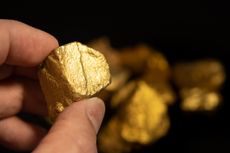
So how do we protect our wealth? Well, we have our gold. That should do well as governments run the printing presses (there’s more on gold later). But today I want to talk about a less obvious solution – antiques.

Like gold, or any ‘hard assets’ for that matter, antiques can’t simply be recreated. That’s why they’ve always been a great store of value. Though I say always, the market is cyclical – things go in and out of fashion. And largely speaking, the last couple of decades haven’t been kind to the antiques business.

But right now, there’s a chance that the financial markets are lining antiques up for a rise. This is a great chance for you to seek out a tangible store of wealth, just as financial markets head for breaking point.

My favourite area of the antiques market

Whenever I look at the markets, I’m always looking to get something for nothing. Like buying companies that are trading below the value of their assets for instance.

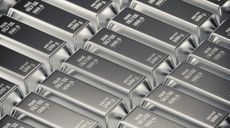
Right now, I think we’ve got that in one sector of the antiques market. And that is in silver. I’m not talking about the whole silver market, but just the bottom end. At the cheap end of the market, silver items trade at, or close to scrap value. And that’s an opportunity.

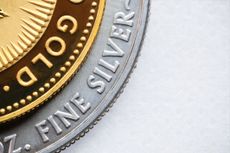
I’m sure you’ve noticed silver’s meteoric rise from well under $10 an ounce right to around $35. That’s what we call ‘spot’ silver; and it’s what drives the scrap value of silver.

During the days when silver was say £8 an ounce, you might expect to pay something like £18 for a one-ounce sterling silver spoon. That is £8 for the silver content and then another tenner for the craftsmanship (and dealers margin).

But now that the silver price has surged, many buyers in the antiques markets aren’t prepared to shell out for the extra value of the silver content. They won’t even pay the scrap price for such a spoon. In my example, the scrap price would be around twenty-five quid. Ooooh, says the buyer. That spoon was only £18 the other year… nope, I’m not paying up for that.

And here’s the thing. That spoon is now a heck of a lot cheaper! If you can pick it up at, or near scrap, then you’re getting all the craftsmanship for free.

And because many people won’t buy the stuff now, a lot of silver is getting scrapped. Former family heirlooms, as well as interesting one-off pieces are heading for the smelter.

As the ingots come out, they go to fuel investor demand on the financial markets. So I say, let’s get out there and save some of these pieces from premature cremation.


Report FREE report: Two ways to turn Europe's crisis into an opportunity

  • Reveals the true level and extent of the European financial crisis and what this means for your money.

  • Details actions Bengt recommends to protect your wealth and profit from the impending gloom.


Let’s get going now!

If you’re worried about the steadfastness of financial markets; then this could be just the answer.

What’s more, the pleasure you’ll get from this ‘scrap’ can be immeasurable. And it’s a safe investment – no matter what happens in the markets, you’ve got your store of value right there in your hands.

And by the way; silver spoons, picture frames, bowls, candlesticks, rings, coins etc make for great presents. If you’re ever stuck for a gift, you can just give away something from your collection.

Remember, I’m not talking about the sexy end of this market. Sterling silver for instance, is always popular in the UK and you’ll generally have to pay up for that. I’m talking about the less desirable bits and pieces that have drifted in from other countries.

You can find some wonderful and ornate works of great craftsmanship going for little more than their scrap value at dealers fairs, auction houses, or even on ebay.

Of course you’ll want to read around the subject first and get your bearings. Buy an introductory book. Once you know the basics, you’ll see the great opportunities out there.

Get to know a couple of dealers that you trust – get them to give you a call when they come upon a batch of scrap. And buying on ebay is generally pretty safe as people don’t get away with misleading descriptions.

I wouldn’t want to pay up for a full set of fine silverware. But why not create yourself an eclectic set of pieces from all over the globe? That’s a lot more interesting to me.

Pick up some wonderful pieces for your home, for gifts, or just an investment and all for just the price of the raw material itself.

Back to our first port of call

Now I wouldn’t recommend putting all your faith in silver spoons. It’s just a very interesting investment. It gives me pleasure to seek out these antiques. And now looks a very interesting time for this ignored, but very dependable store of value.

But gold is obviously our first port of call during the fiat curency meltdown. I’ve said before that the best option for the traditional investor is a physcial gold ETF (LSE: PHAU).

But if you already own that, then Tom Bulford has a very interesting idea. It’s a gold play that is going largely unnoticed by Western investors.

That may be because it is looking to mine a huge resource, nestled in the very isolated Tien Shan mountain range in eastern China.

The thing is that there is a swarm of activity in Tien Shan at the moment. 14 different mining operations are underway in just one-region of the mineral belt.

Tom calls it the “Tien Shan Gold Rush” – and it certainly looks like one to me. Have a look at this report. It’s a speculative, high risk gold play. But there is probably a good reason why so many companies are crawling over each other to mine this region. You can view the report for free.

• This article is taken from the free investment email The Right side. Sign up to The Right Side here.

Important Information
Your capital is at risk when you invest in shares - you can lose some or all of your money, so never risk more than you can afford to lose. Always seek personal advice if you are unsure about the suitability of any investment. Past performance and forecasts are not reliable indicators of future results. Commissions, fees and other charges can reduce returns from investments. Profits from share dealing are a form of income and subject to taxation. Tax treatment depends on individual circumstances and may be subject to change in the future. Please note that there will be no follow up to recommendations in The Right Side.

Managing Editor: Frank Hemsley. The Right Side is issued by MoneyWeek Ltd.

MoneyWeek Ltd is authorised and regulated by the Financial Services Authority. FSA No 509798.
http://www.fsa.gov.uk/register/home.do    

Comments (5)

Share with
friends:

Comments

  • 1. Alan Randall

    (24 June 2011, 07:19PM)  Complain about this comment

    Very interesting , however, for serious investors such information is two years too late , millions of tons of both gold and silver has been smelted by dealers pouring the proceeds of cheap buys into the melting pots of national precious metal companies.
    The bulk of family silver has long since gone , even worse coins of the realm , once protected , are gone forever due to the surge in metal prices.
    Whilst I agree the prices will continue to rise the availability of "Antique " gold and silver purchases cheaply has seriously had its day.

  • 2. MARLIN

    (25 June 2011, 12:13PM)  Complain about this comment

    I agree that scrapping silver items is not nice but have just been looking online at an auction. Late dated silver is not desireable so is selling under scrap prices. Because the buyers have to pay 15% commision plus vat an item which scraps for £100 will only fetch say £85, then the seller receives £85 less 15% plus vat that is £70, so being sensible what do you do, scrap it and get £100 or put in auction and get £70? You only sell rare antique silver in auction nothing else. By the way the really good stuff never gets melted it goes beck into the retail chain. Scrappers are not silly.

  • 3. Robin Silverman

    (02 July 2011, 11:11AM)  Complain about this comment

    Your article is right on the mark. As a dealer in antique silver I am constantly amazed by the fact that consumers have not yet latched on to this sparkling investment.

    As an example I am currently selling a set of Antique English silver cutlery for 12 people weighing 100 oz troy for £2500. A few weeks ago it would have scrapped for more and probably will again shortly.

    There are many such bargains to be had from the silver trade.

  • 4. commodity tips

    (09 July 2011, 05:36AM)  Complain about this comment

    I absolutely adore reading your blog posts, the variety of writing is
    smashing.This blog as usual was educational, I have had to bookmark
    your site and subscribe to your feed in i feed. Your theme looks
    lovely.Thanks for sharing.
    Regards
    commodity tips

  • 5. Stephen

    (11 January 2012, 03:42PM)  Complain about this comment

    The best antique silver to invest in is, well, the best. Only some antique silver is investment-grade; that is, is art. Don't overlook American silver in your hunt. The silver flatware and hollowware produced in America from about 1860 to 1910 is among the best, particularly the Greek and Egyptian revival, Art Nouveau, and Art Deco pieces. Many items by Tiffany, Shiebler, Whiting, Duhme, etc., are and will remain extremely desirable. There are some great American pieces kicking about in the UK and many are underrecognized and thus undervalued.

Leave a comment

This will be the name displayed with your comment.

This helps us verify comments are genuine. It will not be displayed anywhere on the site and is stored confidentially.

Please keep your comment within 1,000 characters and relevant to the main topic. We encourage healthy debate, but we don't allow insults or bad language. Anything off topic or unpleasant, we'll remove. Enjoy the conversation! Thank you.

captcha To prevent spam-related comments please enter the characters shown in the 'Captcha' box to the left.

By leaving a comment you accept our terms and conditions.


>