
-
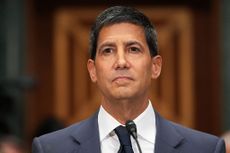 The challenges facing Kevin Warsh as Federal Reserve chair
New Federal Reserve chair Kevin Warsh has promised to cut interest rates, but the Iran crisis will make that difficult to deliver
-
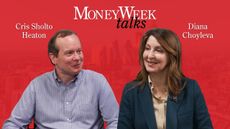 China, the Iran war, and the US: Diana Choyleva
MoneyWeek Talks The next force that will change the world is China's drive to financialise, according to Diana Choyleva, founder and chief economist at Enodo Economics.
MoneyWeek Talks -
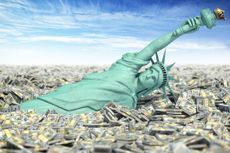 Is this the end for the dollar?
The US war with Iran and its soaring debts are reviving talk of the end of the US dollar. Simon Wilson considers if that's really on the cards
-
 A US debt crisis is coming – diversify your investments
US debt is rising fast as the Treasury issues more and more bonds to stay afloat. Sooner or later, there will be a crash – diversify before it happens
-
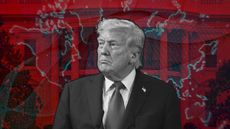 What is Donald Trump’s net worth?
Donald Trump’s net worth makes him the richest-ever US president, and the only billionaire to live in the White House. We take a deep dive into his fortunes
-
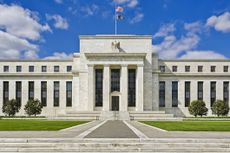 How a dovish Federal Reserve could affect you
Trump’s pick for the US Federal Reserve is not so much of a yes-man as his rival, but interest rates will still come down quickly, says Cris Sholto Heaton
-
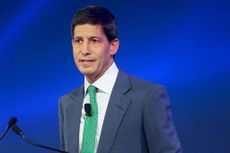 New Federal Reserve chair Kevin Warsh has his work cut out
Opinion Kevin Warsh must make it clear that he, not Trump, is in charge at the Fed. If he doesn't, the US dollar and Treasury bills sell-off will start all over again
Opinion -
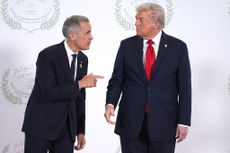 How Canada's Mark Carney is taking on Donald Trump
Canada has been in Donald Trump’s crosshairs ever since he took power and, under PM Mark Carney, is seeking strategies to cope and thrive. How’s he doing?
-
 Should you sell your US stocks?
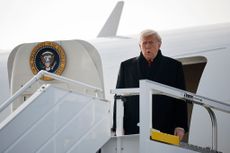
The turbulent events of 2025 and early 2026 have dealt a blow to the concept of US exceptionalism, but the US stock market is still going strong


