Greed, fear and the art of investing
I like to call it "investing in the fear effect."
As you may know, there are essentially two forces that move the stock market: Fear and greed. And if you truly want to be a successful investor, you need to know how to take full advantage of both of them - in particular, fear.
When everyone else is running away from stocks (or being told to by so-called experts), it can deflate some stocks much more so than necessary. This is often the best time to jump in and grab stock shares at bargain prices.
Here in Florida, a classic example of fear-driven panic made big news last week. It was the equivalent of a "bank run" by local governments throughout the state. Here's what happened…
The running of the fearful… Florida's $13 billion mass withdrawl
For local government organizations such as city governments and school districts, Florida's $30 billion state-run investment pool is a good place to park their money. The fund is a conservative instrument that is similar to a money market fund for individual investors. It pays a higher yield than a traditional checking account yet is expected to be rock-solid safe.
However, the Palm Beach County School District received word from its financial advisors that some of the fund's mortgage-backed securities had exposure to the subprime mess.
And that's when the you-know-what hit the fan. Based on the information, the district quickly yanked its half a billion dollars from the fund, not wanting to risk any of the capital.
As you can imagine, this major move triggered a bout of rumours and panic, and as word quickly spread, local governments from across the state were desperately trying to get their cash back. By the time the dust settled, over $13 billion was withdrawn.
When even government officials panic...
The situation became so dire that the state effectively barred the doors and halted withdrawals for a week. It has since allowed withdrawals again, but with restrictions. Luckily, though, the situation has calmed down and the depositors are no longer exiting the fund en masse.
(Article continues below)Advertisement
It was a fascinating set of events and proved that it's not just British banking customers (specifically, the ones with savings in the battered Northern Rock bank), dot com investors, or real estate speculators that are susceptible to fear.
In this case, it was seemingly staid government officials who had invested in a conservative vehicle. It shows what the power of panic can do in any financial market.
So what are you going to do? Panic with them? That's a bad idea. Here's a better one…
When the blood is running, you should be buying
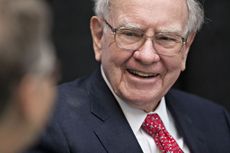
You've heard the saying, "Buy when there's blood in the streets." That's precisely what the best investors do. For example, renowned investor Warren Buffett recently picked up shares of Bank of America (NYSE:BAC) - even as the subprime meltdown still gripped the stock market and financial sector.
But he's not alone. Our own Investment Director Karim Rahemtulla also made a recent gutsy call in the Xcelerated Profits Report. While everyone was busy dumping their financial sector stocks, Karim instructed subscribers to take advantage and scoop up one financial stock in particular at a deeply discounted price.
And you can see how effective the "blood in the streets" theory is: In just 11 trading days, the position is up around 6%.
How to find bargains
As an investor, you not only want to buy good companies, you want to purchase the stocks at the most opportune time. But trying to predict market tops and bottoms is a fool's game. The climate is just so unpredictable that it's tough to know exactly when you can call them.
That's why it's a good idea to start nibbling in small increments. When you think emotion is at a peak, enter a half or even quarter position. You can always add more as the situation evolves.
Keeping a close track on the street's emotions, particularly fear, should help you pick up some bargains. Over time, that's where the real money is made.
By By Marc Lichtenfeld, Senior Analyst, Mt. Vernon Research for the Smart Profits e-Report, www.smartprofitsreport.com