


-
 Broken UK REITs prove compelling for value investors
UK REITs are being ignored by retail investors, but trade buyers and private equity are snapping up the real estate funds. Why is that?
-
 8 of the best houses for sale with orchards
Houses for sale with orchards – from a West Sussex cottage with apple, quince, cherry and plum trees, to a Passivhaus in Herefordshire with a dining terrace.
-
 Which house price index is the best?
There are at least five indices measuring house prices, but which house price index is the best?
-
 Government considering extra ‘mansion tax’ charge for overseas property owners
The government has launched a consultation on levying a new premium on top of the impending mansion tax for non-UK resident property owners. Could it lead to the wealthy selling up?
-
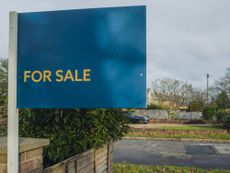 Could house prices fall by 5% in 2026?
The Iran war is causing house prices to slide as higher mortgage rates hit buyer confidence. Some experts believe they could fall by as much as 5% in 2026.
-
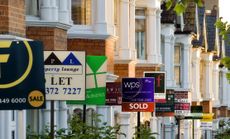 Is now a good time to sell a house?
The latest Middle East conflict may dampen demand in the housing market, making it crucial for sellers to be realistic about asking prices to attract interest
-
 What’s happening with UK house prices? Latest property forecasts for 2026
With mortgage rates creeping back up and ongoing market volatility, can we expect house prices to slide?
-
 The seaside towns where house prices are rising the most – and where they’re cheapest
Asking price growth in certain seaside towns is outpacing the rest of Great Britain, suggesting demand for coastal homes remains resilient.
-
 Renters' Rights Act: The rules that landlords must follow by the end of May to avoid a £7,000 fine
New rights for renters took effect from 1 May and landlords need to act fast to avoid a fine for not keeping tenants informed.


