
-
 Investment costs explained – could you save thousands of pounds?
Investing charges eat into your returns so ensure you get value for money by considering investment costs.
-
 Why are gilt yields rising and what does it mean for your money?
The conflict in Iran has pushed up gilt yields, causing UK government borrowing costs to rise.
-
 What are gilts and should you invest in them?
Gilts play an important role in the economy and many aspects of your finances, but do they make a good investment?
-
 What is a bond?
Investing in bonds is a tried and tested cornerstone of portfolio strategy, but it’s worth understanding what bonds are and how they work in detail.
-
 What is duration?
Glossary Duration is a measure of risk that is typically applied to bonds. It describes how sensitive a given bond is to movements in interest rates.
Glossary -
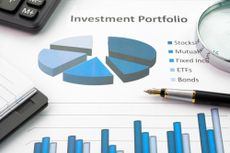 What are retail bonds and are they worth it?
Interest rates may not have been cut in recent months, but with inflation expected to rise in response to the Iran war fallout, it's getting harder for savers to generate real returns on their cash without taking on excess risk.
-
 What is a bond yield – and how is it calculated?
Glossary A bond yield is a measure of the return that an investor will receive on their capital. There are different ways to define it, depending on what you measure.
Glossary -
 Alphabet 'is planning a 100-year bond': would you back Google for 100 years?
Google owner Alphabet is reported to be joining the rare century bond club
-
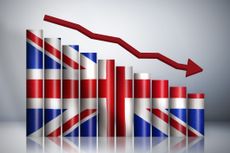 Gilt yields fall to lowest level since 2024
The cost of government borrowing is falling. A new bond issuing strategy could be helping bring gilt yields down.


