
-
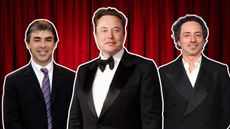 Who is the richest person in the world?
The richest person in the world is close to becoming the first-ever trillionaire. What is their net worth?
-
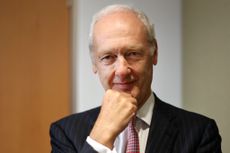 In the footsteps of Anthony Bolton, legendary fund manager
The successors to Anthony Bolton, legendary fund manager formerly of Fidelity, are showing strong signs of improving returns. What are they doing right?
-
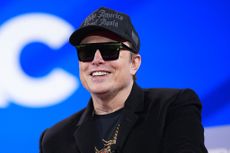 'Let's give Elon Musk his due – he’s a hero'
Opinion SpaceX founder Elon Musk may be a difficult and polarising figure, but he is also a hero, says Jamie Ward.
Opinion -
 Ryan Cohen: the rebel GameStop CEO with his sights on eBay
Ryan Cohen is an entrepreneur turned activist investor with an unusual approach that many think is absurd. Now he's making his boldest gamble yet
-
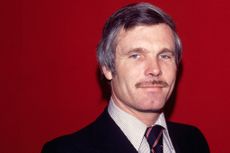 Remembering Ted Turner: the tycoon who revolutionised news
Ted Turner, the flamboyant, maverick founder of CNN, redefined TV journalism and became the benchmark for all who followed
-
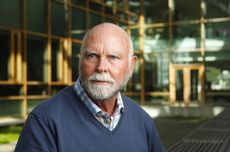 J. Craig Venter: the American scientist who changed biotech
J. Craig Venter, who has died aged 79, was known as the “alpha male of US science”, shaking up the race to map the human genome
-
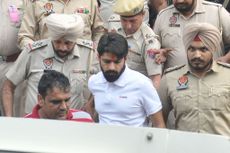 Lawrence Bishnoi: India's most notorious gangster
Lawrence Bishnoi is serving a decade-long prison sentence in India. But that hasn't put an end to his criminal activities
-
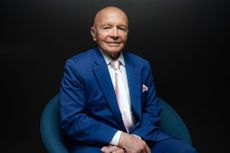 Mark Mobius – the “Indiana Jones of investing” who died aged 89
Mark Mobius was an intrepid emerging-markets investor who made many winning bets in the heat of crises. He will be sorely missed
-
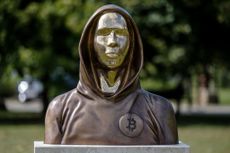 Who is Satoshi Nakamoto, mystery inventor of Bitcoin?
The true identity of Satoshi Nakamoto, the inventor of Bitcoin, has remained a mystery since 2008. Has he been hiding in plain sight all along?


